
In this guide, we break down the core ad formats, explain how paid traffic influences organic ranking, and show which metrics truly reflect profitability. You’ll also learn how to allocate budgets, refine your conversion rate, and use external traffic to strengthen your overall performance.
The goal is simple: help you build a sustainable, margin-focused advertising strategy that supports long-term growth on Amazon.
Introduction
Advertising is one of the biggest concerns for Amazon sellers — and one of the most common sources of confusion. How do you promote a product without wasting your budget? Which strategies will matter in 2026? And how can you run ads effectively even without deep marketing expertise?
This guide breaks down how Amazon advertising actually works, which campaign types deliver results, and how to measure performance without losing margin. You’ll find practical principles and tactics that help build a stable, profitable advertising system on the platform.How Amazon Advertising Works
Amazon’s ad engine runs on an auction model, similar to Google or Meta Ads. You choose the search terms you want to appear for, and Amazon determines your CPC based on competition, listing quality, and expected performance.
If your listing converts well, Amazon rewards you with cheaper traffic — the platform always prioritizes offers that generate sales. This is why paid ads and organic ranking are tightly connected: strong ad performance fuels organic growth.
You can adjust bids manually. A low bid doesn’t remove you from the results — you simply receive fewer impressions. But even high bids won’t help if your listing is weak: images, copy, relevance, and reviews determine whether traffic converts.Core Amazon Campaign Typess
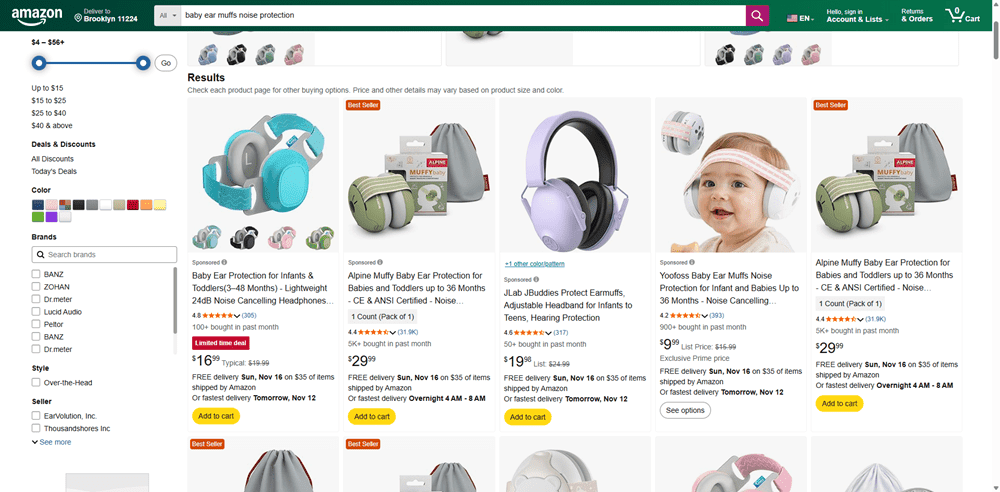
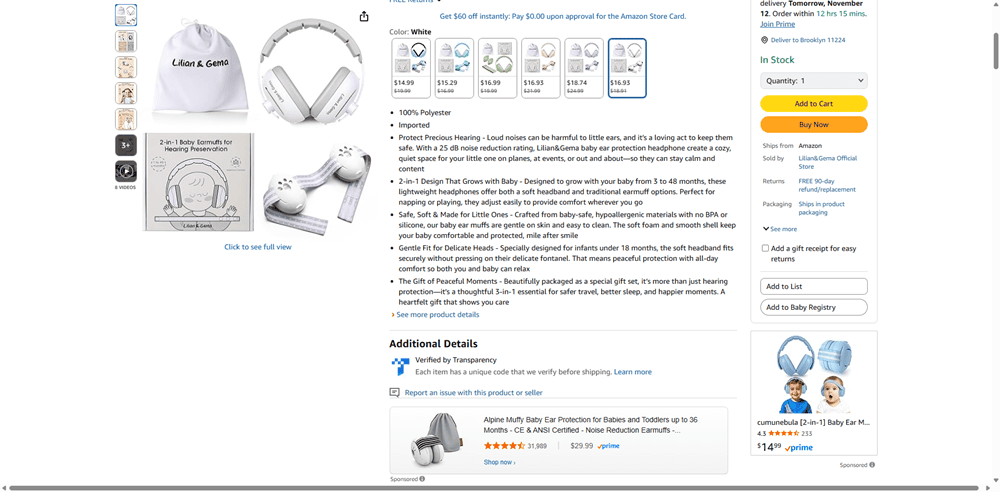
Sponsored Products
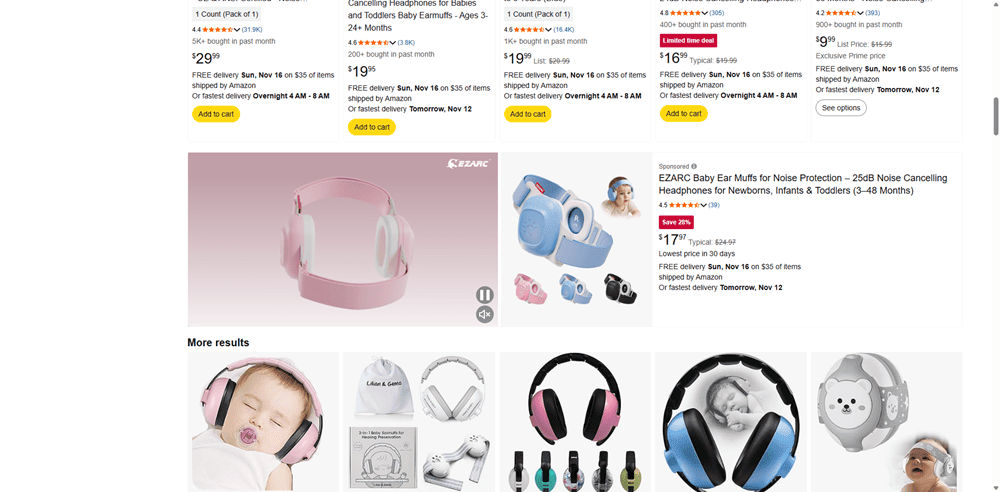
This is the primary and most efficient advertising format for most sellers. Ads appear in search results and on competitor product pages. When your keyword set is accurate, Sponsored Products deliver feedback quickly — often within days.
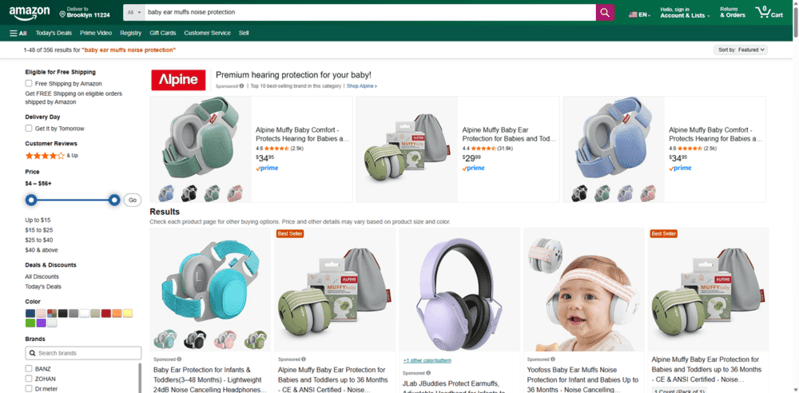
Sponsored Brands
Available only to sellers with a registered trademark, this format showcases your logo, headline, and several products. It’s a powerful tool for brand building and works especially well for Private Label brands aiming for long-term recognition.
Sponsored Display
Display placements appear on competitor listings, category pages, and other on-site locations. Sponsored Display reinforces brand visibility and works best when paired with Sponsored Products and Sponsored Brands.
Keywords, Cost, and the Link to Organic Ranking
Every purchase made through a paid keyword helps Amazon understand which products are relevant for that query. The more sales you generate for a search term, the higher your organic ranking grows.
Keywords fall into two broad categories:
Highly relevant keywords: closely match your product; deliver high conversion.
Broad keywords: bring more traffic but usually convert worse.
For a kids’ tipi tent, for example:
Relevant: “tipi tent for kids,” “indoor play tent for boys”. Broad: “kids toys,” “room decor”
Advertising Budgetsr
The real question isn’t “How much should I spend?” but rather: “How effectively do I use my budget?”
If your inventory is stable, FBA shipments are smooth, and you’re not running out of stock, the size of your budget matters less than its efficiency.
What you should track:
Cost per click and return on that click
Profit per unit
Margin after advertising spend
How to Measure Ad Performance
Key metrics to track:
ACOS — ad spend as a share of ad-attributed sales (ideal: 30–35%)
TACOS — ad spend as a share of total sales (ideal: 15–20%)
CTR — click-through rate, strongly influenced by your main image
Conversion Rate — how many clicks turn into purchases; one of Amazon’s strongest ranking signals
Improving your conversion rate leads to more impressions and a lower CPC. To increase conversion:
refresh your images with more compelling visuals;
update your copy using topic-related (LSI) keywords;
monitor pricing and review count;
maintain a strong product rating.
Choosing the Right Advertising Specialist
There are many agencies and freelancers promising fast sales growth — but not all growth is profitable.
A common trick is inflating spend or lowering prices to show “impressive” graphs. But revenue alone means nothing without margin. A good specialist always reports profitability, not just clicks and impressions.
Ask for margin-based reports, not just sales numbers. A competent marketer can show how profit changed after ad costs — not just how many units were sold.External Traffic: A Hidden Advantage
Amazon rewards sellers who bring traffic from outside the platform. Sending visitors from Google, Meta, Pinterest, TikTok, or other sources helps you:
earn up to 10% back via Brand Referral Bonus;
boost organic ranking for your listing.
Automated Advertising: How Much Can You Trust It?
You can partially rely on Amazon’s automated campaigns. They’re great for collecting data and identifying new keywords. But manual control remains essential.
There are external tools that manage bidding, add negative keywords, and adjust campaigns based on targets like ACOS, CTR, or sales volume. They save time — especially if hiring an agency isn’t feasible.
These platforms won’t replace an experienced marketer entirely, but they’re valuable as part of a broader strategy.Conclusion
Advertising on Amazon isn’t a one-time setup — it’s an ongoing process built on analytics and listing optimization. To ensure your campaigns stay profitable:
Plan your campaigns in advance and optimize your listing for target keywords.
Monitor performance metrics like ACOS, TACOS, CTR, and conversion rate.
Improve your product page: reviews, pricing, visuals, and copy matter.
Choose specialists carefully — judge by profit, not promises.
Use external traffic to strengthen organic ranking and diversify your reach.
Book a call now…
Book a call now…
Up to 45-min duration video-call
Topics we'll discuss:
| The next steps — there are two options
|